
To paraphrase Chief Wiggum, “AI is a cancer, and I am… what’s the cure for cancer?” Photographers worldwide are bristling at the mention of AI and how it’s slowly invading all facets of the photographic industry. But can it be used for good?
Previously, I wrote about using AI as a tool to plan photo trip itineraries and as a research tool. You can read that article here. I came to the conclusion that yes, yes you can. But it isn’t as easy as typing a prompt and just doing what it says.
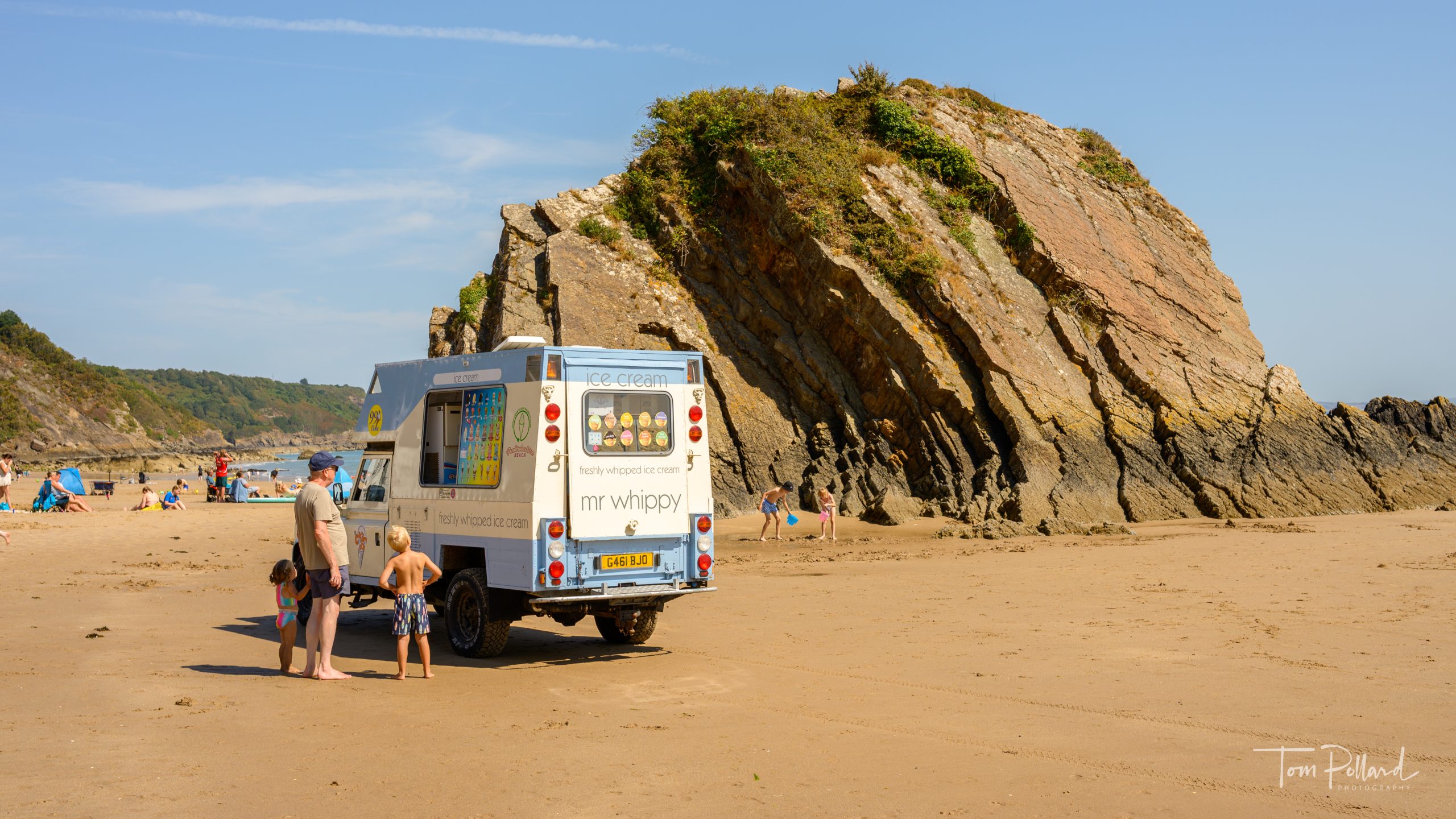
In this second part, I wanted to focus on how I ended up using AI, (specifically ChatGPT as I bought a premium subscription for the month), once I was on the road. Initially, this wasn’t something I intended to do – but ChatGPT logs all of your conversations and when I hit a stumbling block, I knew that it would already have an awareness of my situation…
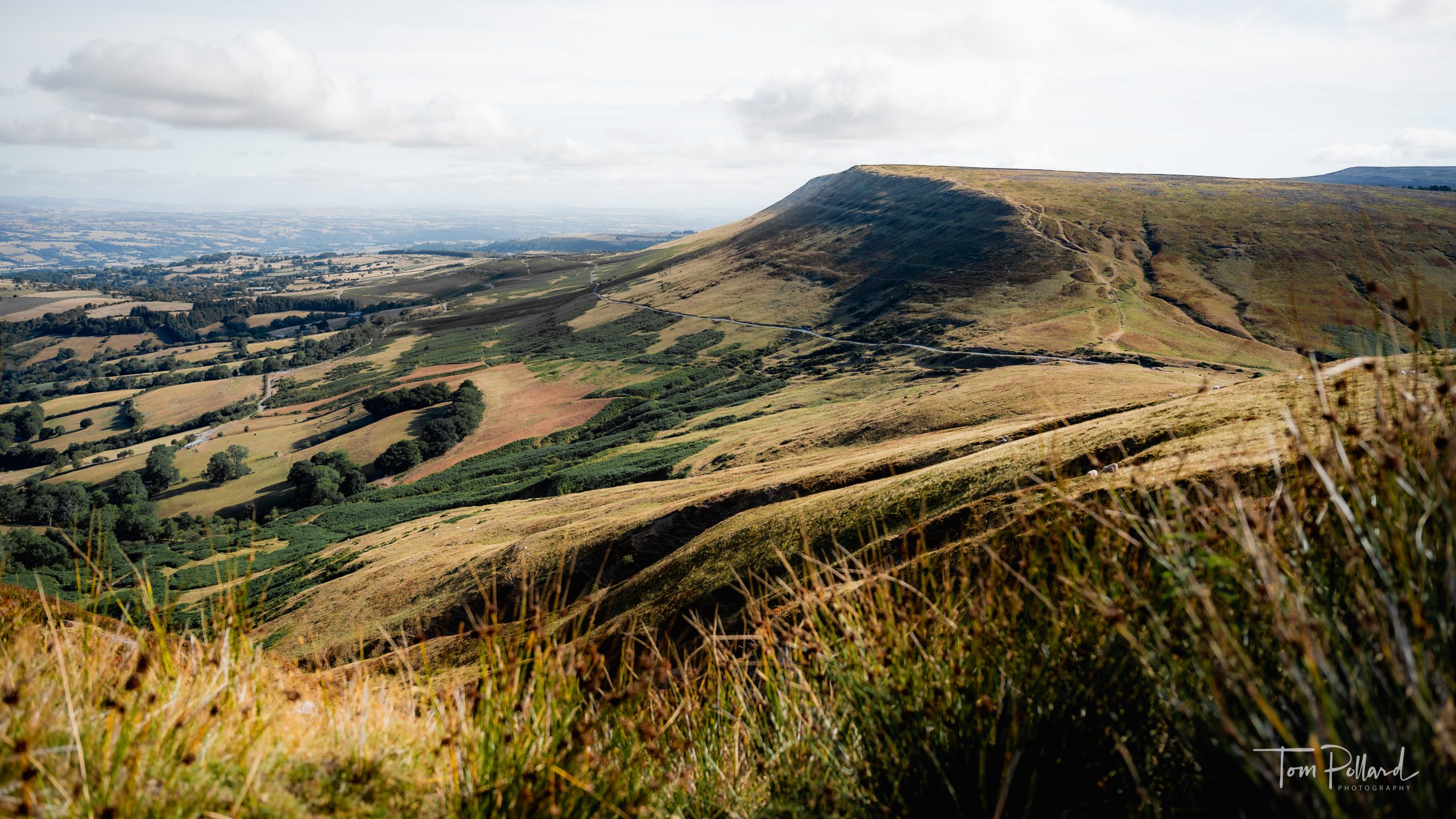
Some context: My first stop was Gospel Pass in Brecon. The highest road in Wales supposedly. However, when I drove there, I passed what was supposed to be my second stop: Llanonthy Priory. So, after having walked into the hills and taken some landscape photos of the stunning scenery, I was in a quandary. Do I back-track, the (somewhat narrow and trepidatious) road that I had already travelled in order to get to my current location – or do I press on and potentially miss a great opportunity? So, I asked “Bob” (both Kevin Mullins and I seem to have the same virtual assistant in the form of “Bob”):
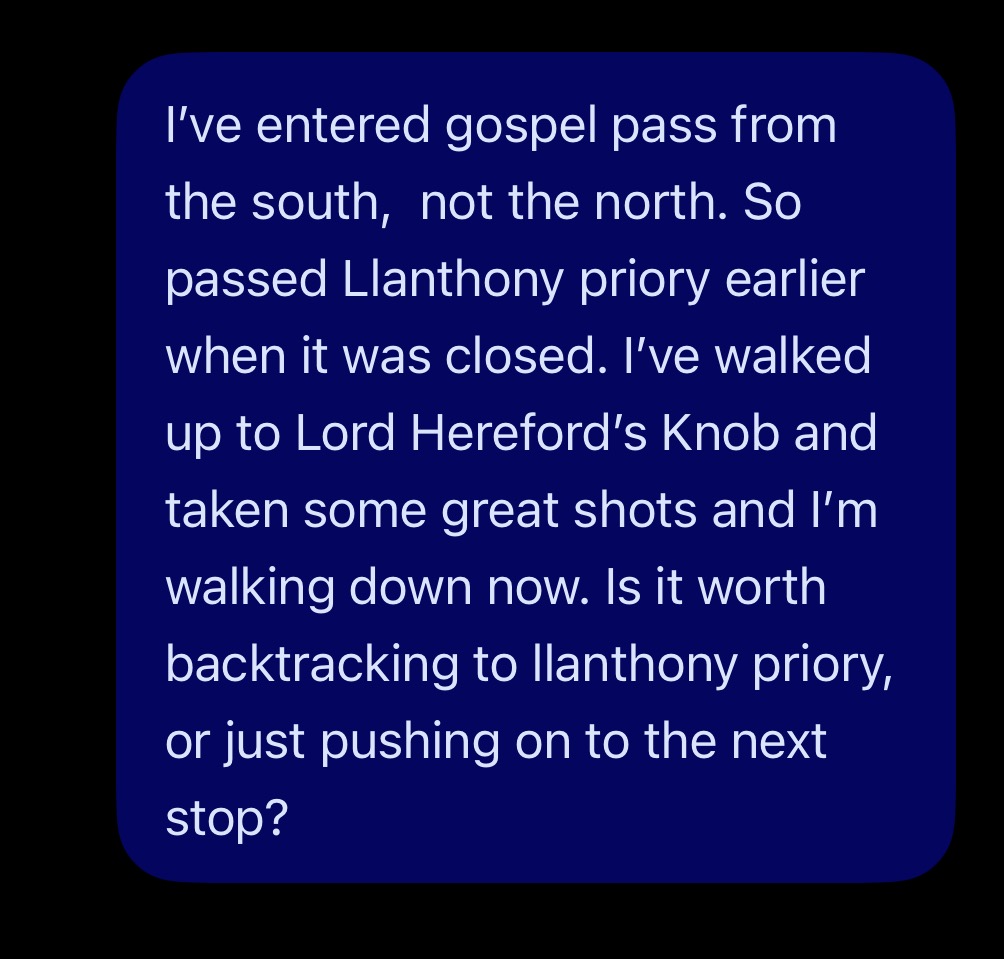
At this point you’re probably having an ever-decreasing opinion of me and my inability to make a decision for myself, but please remember, testing AI’s ability to be a personal travel guide was the whole point of this; I therefore asked questions I would normally just decide on myself. Bob’s response was, dare I say it, helpful:
“Ah — that makes much more sense, and yes, I had the direction of your route wrong earlier. You haven’t made a mistake; you approached Gospel Pass from the south, came up through the Vale of Ewyas, passed Llanthony while it was closed, and then walked up towards Lord Hereford’s Knob.
Given where you are right now, I would not backtrack to Llanthony.
I’d carry on.
You’ve already had the best part of the experience of this area: the mountain walk and the views. Going back down the valley purely to photograph the priory would mean retracing your route and then having to climb back out again.
More importantly, Llanthony Priory is currently open 10am–4pm, so if you’re now walking down and it’s around 10:30, you could get in—but you’re going to spend a chunk of your morning undoing the journey you’ve already made.
What I’d do
Finish your walk → return to the car → head towards Hay Bluff / Hay-on-Wye → then continue west.
You have already got some great mountain photographs from Lord Hereford’s Knob, which was actually a really good spontaneous decision.
And here’s the important bit:
Don’t feel obliged to photograph Hay Bluff just because it’s in the itinerary.
You’ve just photographed essentially the same landscape from a much more interesting position. If the light is good and you can see Hay Bluff clearly, stop for 15–20 minutes. If it feels like “more of the same”, keep driving.
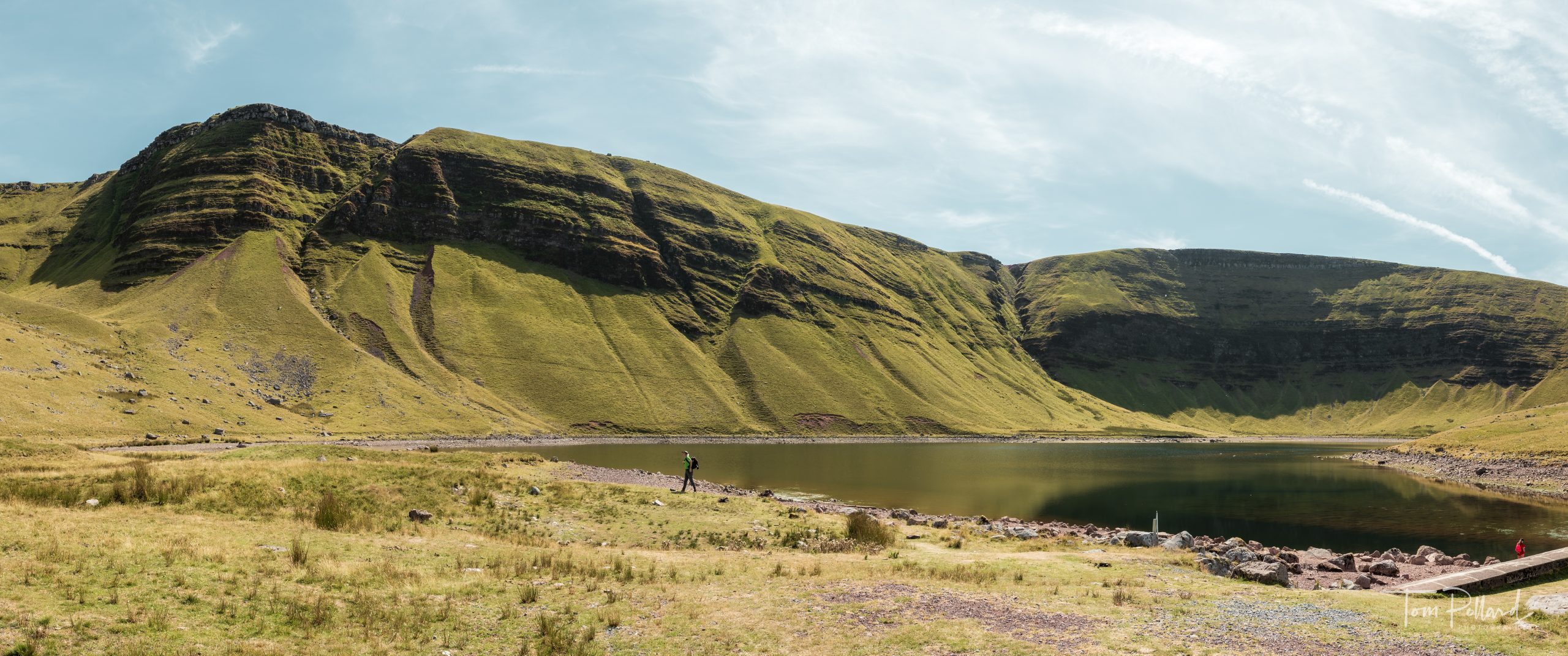
Then I’d make Llyn y Fan Fach your big photographic target this afternoon/evening.“
Bearing in mind it wasn’t even 09:00 yet, the advice was pretty spot-on. So I pressed on westwards across the Brecon Beacons.
Adapting the Itinerary…
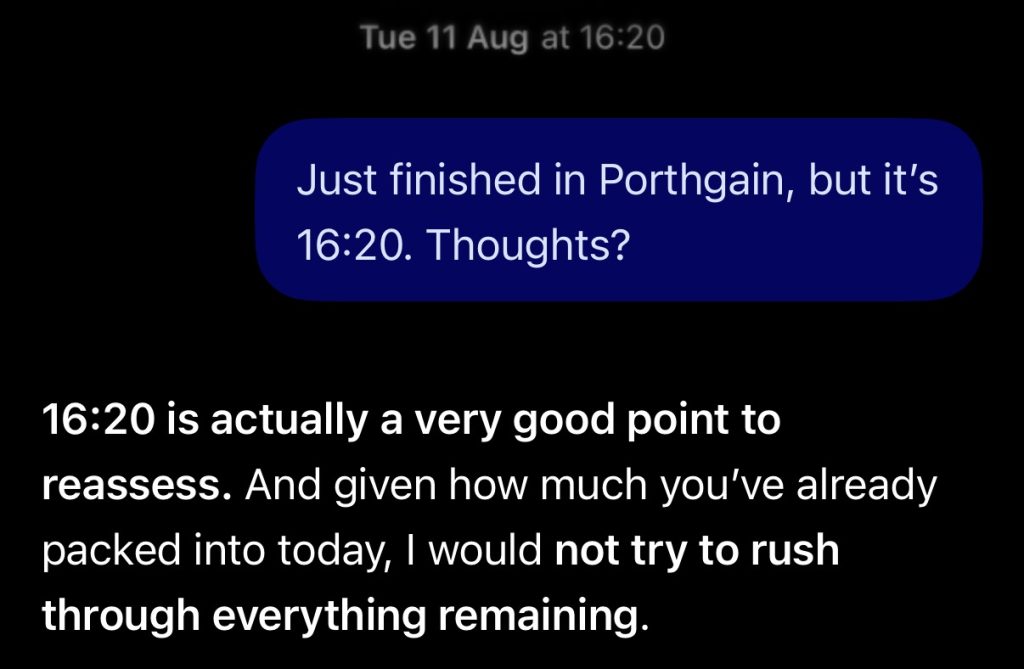
As you can see, I began to use the AI as a means of obtaining different options when the reality of the trip started to deviate from the plan, or when things weren’t what I was expecting. Its response was helpful, and thanks to the fact it can access live data – it collated everything I needed for me:
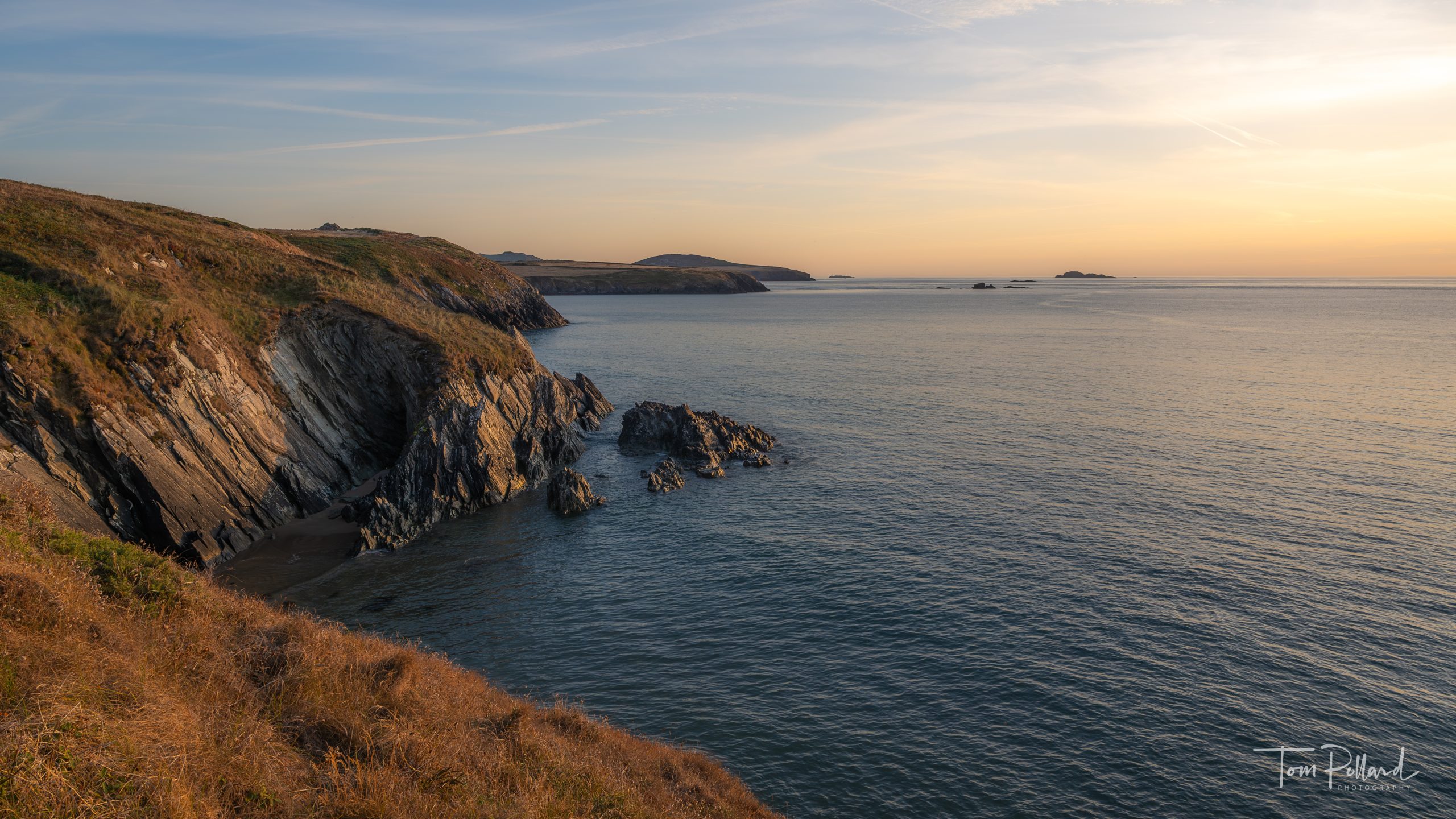
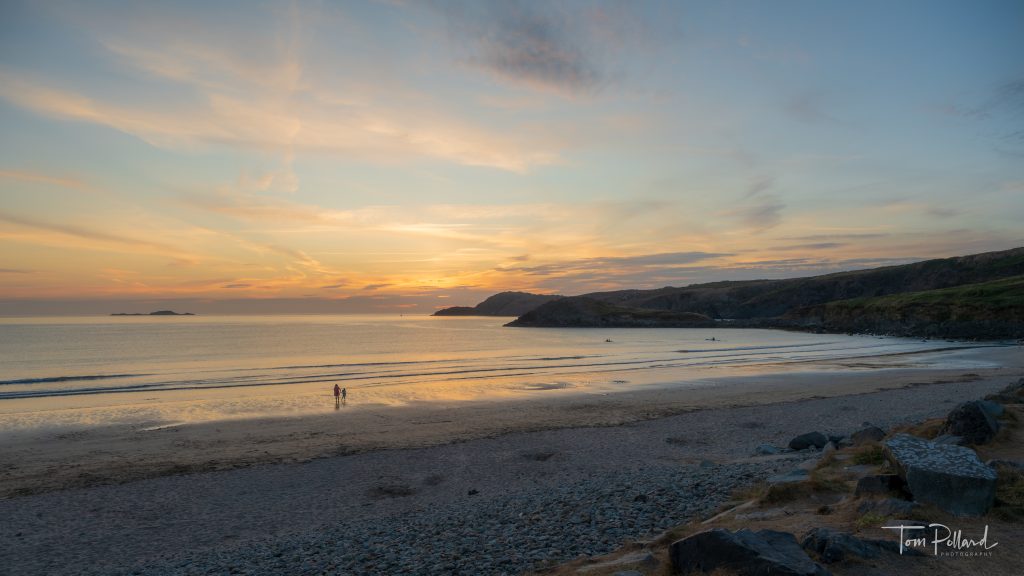
You’re only about 4 hours 20 minutes from sunset at Whitesands (sunset is around 20:54 today), so you’ve got loads of usable evening light.
My recommendation now
Porthgain → Abereiddy → St Davids → Whitesands
But don’t treat all three as equal stops.
16:20 — Leave Porthgain
Head straight to Abereiddy / Blue Lagoon.
I’d give it 45–60 minutes.
You’ve just done the industrial harbour, so Abereiddy gives you a different visual subject: enormous slate cliffs, the flooded quarry and Atlantic coastline.
Challenge: don’t just photograph the blue water. Find the evidence of the quarry—old walls, cut stone, buildings, tracks—and make one image that tells the story of what this place used to be.
This is just an excerpt, and the info about the sunset time was particularly useful. The ‘Challenge’ is a nice touch, but not something I needed or really wanted at this point. What was useful was its ability to ‘scrape’ (a horrible term, but then its probably a horrible concept) data from what other people had posted online who had similar experiences to myself – allowing me to learn from them via the AI.
I won’t bother boring you with the continued examples of my interactions with it; as you can see, it was very useful, but also frequently too verbose. I could have been clearer and more specific with my requests to avoid this, but I was on the road and asking questions as quickly as possible. At times it gave great advice about the sights to ensure I included, (and skipped). Other times its info was sketchy at best, and I was glad I double-checked everything for myself.

Would I Use it Again?
In short: yes, but sparingly.
The thing is, travel for me is a treat; so, whilst I want to squeeze as much enjoyment as I can from every second of the experience, I also want to take ownership over it myself. I want to not only enjoy the time spent on the road and at the beauty spots, I also want to enjoy the planning.
I like a paper map. I like reading magazine articles. I even enjoy reading other photographers’ blogs like my own, and reading about their highs and lows. If I delegate this task to AI, I am robbing myself of a wealth of opportunities to enjoy the prelude of the trip. Furthermore, when I write in my blog part of me likes to imagine that other photographers like myself may read the articles and be inspired for their own trips. If we’re just writing blogs for AI to scrape, collate and churn out loquaciously flabby prose – what’s the point?
So, if I am planning a work trip to Luton, I might ask ChatGPT for advice on where to stay and what roads to avoid. But a once-in-a-lifetime trip along the NC500? That’s just for me.
Discover more from Tom Pollard Photography
Subscribe to get the latest posts sent to your email.
Leave a Reply